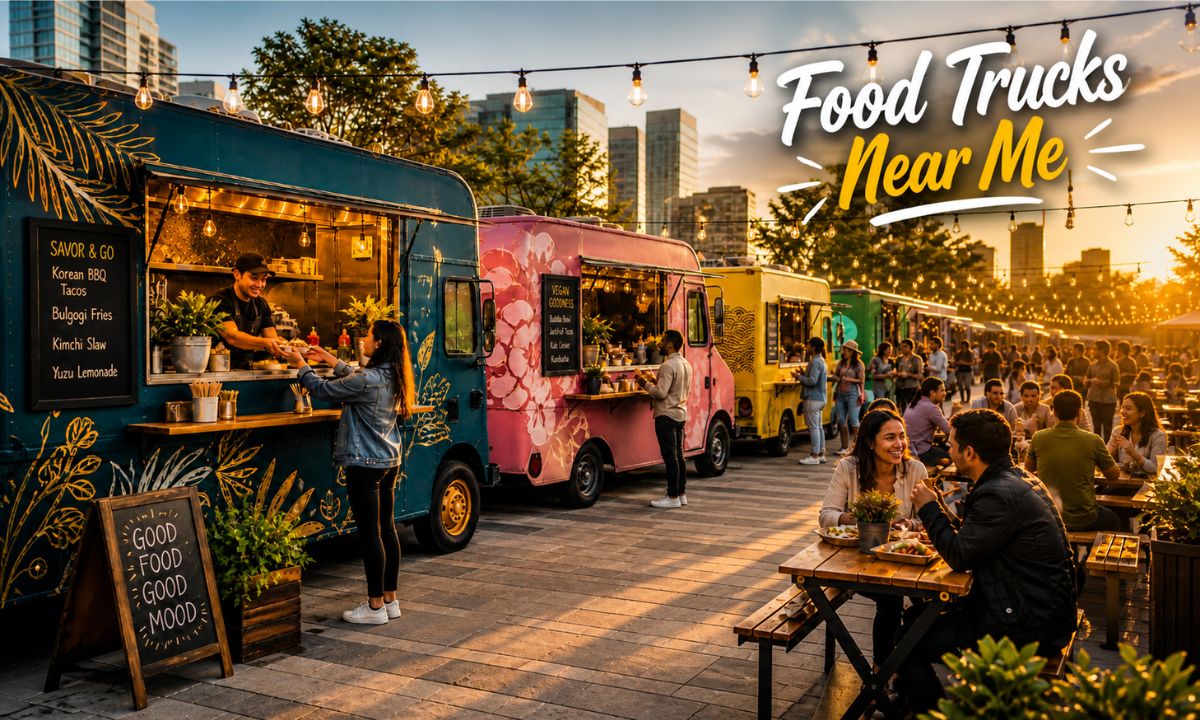
Best Food Trucks Near Me A Simple Local Food Guide
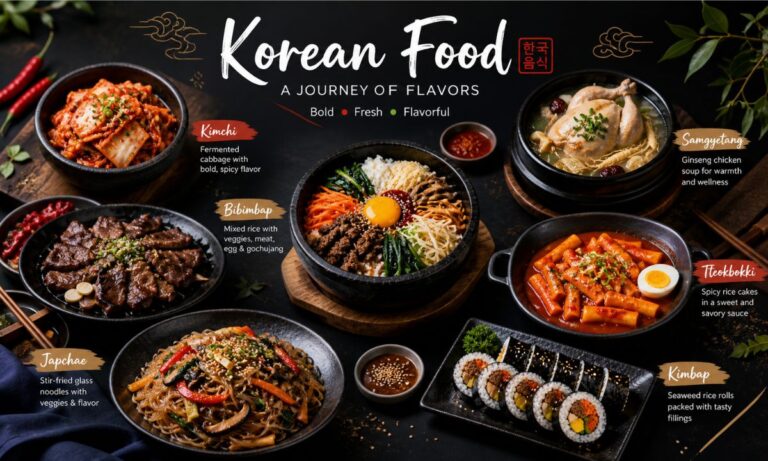
If you enjoy korean food, tacos, burgers, barbecue, halal platters, desserts, coffee, or fresh fusion meals, food trucks can help you find tasty food without sitting inside a restaurant. Many people like food trucks because they feel casual, fast, and fun. You can walk up, read a short menu, order at the window, and eat something fresh within minutes.
When people search for food trucks near me, they usually want quick answers. They want to know what trucks are open, where they are parked, what food they serve, and whether the food is worth the price. This guide explains how food trucks work, how to find the best ones nearby, what to check before you order, and why mobile food has become such a popular part of local dining in the United States.
Why Food Trucks Are So Popular
Food trucks have changed the way people eat in many cities. They give cooks a way to serve creative meals without opening a large restaurant. They also give customers more choices in busy areas like downtown streets, office parks, college campuses, festivals, beaches, and sports events.
The U.S. food truck industry has grown into a large business. IBISWorld estimated the U.S. food truck market at about $2.8 billion in 2024 and 2025, showing that mobile food remains a strong part of the restaurant world.
People like food trucks for simple reasons. They are usually easy to reach. Many serve bold flavors. Some trucks focus on one dish and make it very well. Others offer full meals, snacks, drinks, or desserts. A food truck can also move to where people gather, so customers often find them at events, lunch spots, night markets, and weekend hangouts.
Why People Search for food trucks near me
Search behavior shows strong local intent. A person does not search because they want a long history lesson about food trucks. They search because they feel hungry now. They may be walking around a city, leaving work, visiting a new place, or planning lunch with friends.
A local search helps people compare options fast. They can see names, photos, menus, reviews, and directions. Google says a free Business Profile can help businesses appear on Google Search and Maps with photos, offers, posts, and other details, which matters for mobile food vendors that want nearby customers to find them.
Food trucks also depend on timing. A truck may serve lunch in one place and dinner in another. Some trucks stay at a regular lot. Others move between office areas, parks, breweries, schools, and events. That is why a search with local terms helps more than a broad search.
Most Popular Food Trucks in the USA and Their Menus
Many popular food trucks in the U.S. became famous because they serve simple, tasty, and memorable food. Instead of offering very long menus, they focus on a few strong dishes that people love. Kogi BBQ is known for Korean-Mexican fusion, The Halal Guys became famous for halal rice platters, and Cousins Maine Lobster grew popular with fresh lobster rolls. These trucks show that a great food truck menu should be easy to understand, quick to serve, and full of bold flavor.
| Food Truck | Popular Location / Origin | Popular Menu Items | Why It Is Popular |
| Kogi BBQ | Los Angeles, California | Korean BBQ tacos, burritos, short rib tacos, kimchi quesadillas | Famous for mixing Korean BBQ flavors with Mexican street food. |
| The Halal Guys | New York City, New York | Chicken over rice, gyro over rice, falafel sandwiches, white sauce, hot sauce | Known for filling halal platters and its famous white sauce. |
| Cousins Maine Lobster | Los Angeles origin; nationwide | Maine lobster roll, Connecticut lobster roll, lobster bisque, clam chowder, lobster tacos | Popular for bringing Maine-style seafood to food trucks. |
| Jojo’s Hot Chicken | San Jose, California | Hot chicken tenders, hot chicken sandwiches, bowls, pickles, coleslaw, Jojo sauce | Known for spicy hot chicken with bold flavors. |
| Popular for classic Mexican street food taste. | Vallejo, California | Tacos, suadero beef, Mexican street-food plates | Hot chicken tenders, hot chicken sandwiches, bowls, pickles, coleslaw, and Jojo sauce |
Overall, the most popular food trucks usually serve foods that are easy to eat outside, such as tacos, rice platters, sandwiches, lobster rolls, burgers, loaded fries, and desserts. Their menus work well because customers can order fast, enjoy fresh food, and remember one signature dish that makes the truck special.
How Food Trucks Work
A food truck is a mobile kitchen. It can prepare and sell food from a vehicle, trailer, or cart. Some trucks cook meals from scratch inside the truck. Others prepare part of the food in a licensed kitchen and finish orders on-site. Rules can change by city and state, but food trucks usually need permits, inspections, safe equipment, and clean food handling.
Many trucks choose a clear theme. One truck may sell tacos. Another may sell loaded fries. Another may serve grilled cheese, seafood, vegan bowls, pizza, barbecue, coffee, donuts, or ice cream. This focused style helps customers know what to expect.
Food trucks also use social media and online maps to update locations. A truck may post its weekly schedule on Instagram, Facebook, Google Maps, or a food truck finder site. Some cities also have food truck parks where several trucks gather in one place. These parks make it easy for groups because each person can choose a different meal.
Best Ways to Find Local Food Trucks
- Search online using your city, neighborhood, or ZIP code.
- Open Google Maps and type a clear search term like “food trucks near me” or “food trucks in [city name].”
- Use food truck finder websites to see nearby trucks, menus, schedules, and open hours.
- Check local city food guides because they often list popular food trucks and food truck parks.
- Look at event pages for farmers markets, brewery nights, concerts, art walks, and local festivals.
- Follow food trucks on social media because many trucks post their daily location and schedule there.
- Check recent reviews before visiting, since food trucks can move or change their hours.
- Search for food truck parks in your area. These places often have several vendors, outdoor seating, music, and family-friendly spaces.
- Visit local events where food trucks gather, because some trucks may not appear in normal restaurant searches.
What to Check Before You Order
Before you order from a food truck, check a few simple things. Look at the menu first. A good menu should feel clear and easy to understand. It should show the main dishes, prices, add-ons, drinks, and common allergens when needed.
Next, look at the line. A long line can show that people like the food, but it can also mean a long wait. If you need food fast, ask how long the order will take. Many trucks cook fresh food, so wait time can change during rush hours.
You should also check cleanliness. A clean service window, organized counter, gloves or utensils, covered food, and a tidy cooking area all build trust. Mobile food businesses must take food safety seriously. Research on food truck food safety notes that mobile setups can face challenges with handwashing, water access, and sanitation, so good daily practices matter.
Finally, check payment options. Most trucks accept cards, mobile payments, and cash, but not all do. If you plan to visit a truck at an outdoor event, keep a backup payment method ready.
Common Types of Food Trucks
Food trucks now serve almost every kind of meal. In many U.S. cities, you can find taco trucks, halal carts, barbecue trucks, pizza trucks, burger trucks, seafood trucks, breakfast trucks, vegan trucks, dessert trucks, and coffee trucks.
Taco trucks remain popular because they serve quick, flavorful food at good prices. Halal trucks also attract large crowds in many cities because they offer filling plates with rice, meat, salad, sauces, and pita. Dessert trucks bring ice cream, cupcakes, churros, shaved ice, donuts, and waffles to parks and events.
Fusion trucks have also grown. These trucks mix flavors from different cultures and create new dishes. You may see a burrito with barbecue meat, fries topped with curry sauce, or rice bowls with global toppings. This creative style makes food trucks exciting because the menu often feels different from chain restaurants.
How to Choose the Best Option
The best truck depends on what you want. If you want a full meal, choose a truck with bowls, plates, sandwiches, or combo meals. If you want a snack, try a dessert, coffee, or appetizer truck. If you eat with a group, choose a food truck park or event with many vendors.
Reviews can help, but read them carefully. One bad review does not always mean the truck is bad. Food trucks deal with weather, crowds, traffic, and changing locations. Look for patterns instead. If many people praise the same dish, that dish may be a safe choice. If many people complain about late service or cold food, you may want another option.
Photos also help. Look at recent customer photos, not only professional menu images. Real photos show portion size, freshness, and presentation. A truck with recent photos and active updates usually cares about its online presence.
Why Location Matters So Much
Location plays a big role in the food truck experience. A truck near an office building may focus on fast lunch meals. A truck near a park may serve families, walkers, and weekend visitors. A truck outside a concert may serve late-night snacks. A truck near a college may offer budget meals and quick service.
When you choose food trucks near me, think about distance and timing. A truck that looks closed may not be open yet. Another truck may sit farther away but offer better food, parking, and seating. Always check hours, location updates, and recent customer activity before you leave.
In big cities, trucks may park near transit stations, business districts, hospitals, college campuses, tourist areas, and stadiums. In smaller towns, they may appear at breweries, fairs, schools, church events, markets, or community parks. The best location depends on where people gather and what local rules allow.
Food Truck Safety and Local Rules
Food trucks must follow local health and safety rules. These rules protect customers and workers. A truck usually needs proper storage, cooking equipment, waste handling, clean water, and safe food temperatures. Many places also require fire safety checks because trucks may use propane, grills, fryers, and generators.
The National Fire Protection Association shares food truck safety guidance based on fire codes and standards, including points related to cooking equipment and fuel systems.
Customers do not need to know every rule, but they should choose trucks that look professional and clean. A good truck displays permits when required, keeps the window area neat, and serves food in safe packaging. These small signs can help you feel confident before ordering.
How Food Trucks Support Local Communities
Food trucks often support local business growth. They give chefs and families a chance to start small. A full restaurant can cost a lot of money, but a truck can offer a lower-cost path into food service. Many owners test menus from a truck before opening a restaurant.
Food trucks also add energy to public spaces. They bring people outside. They help turn empty lots, parks, and markets into social places. A few trucks, tables, lights, and music can create a lively dinner spot in a neighborhood.
Cities also use food truck events to attract visitors. Farmers markets, art nights, festivals, and outdoor concerts often feel more complete when good food is nearby. People stay longer when they can eat, drink, and relax.
Tips for a Better Food Truck Visit
Plan your visit around busy times. Lunch crowds often arrive between 11:30 a.m. and 1:30 p.m. Dinner crowds often build in the early evening. If you hate waiting, go a little earlier or later.
Check the menu before you arrive. Many trucks post menus online, and some update daily specials. This helps you decide faster when you reach the window. It also helps the line move.
Bring napkins, water, and a place to sit if you plan to eat outside. Some trucks provide tables, but many do not. If you visit a truck at a park or event, seating may fill fast.
Ask the staff what they recommend. Food truck teams often know their best dish. They can tell you what sells most, what feels spicy, and what works well for first-time customers.
Why Reviews and Photos Matter
Reviews help you avoid guesswork. They can tell you if the truck serves fresh food, large portions, friendly service, and fair prices. Photos help even more because food is visual. A clear photo can show if a taco looks full, if a burger looks fresh, or if a dessert matches the menu.
Still, use recent reviews first. A truck can improve or decline over time. New owners, new cooks, new menus, and new locations can change the experience. A review from last week matters more than one from five years ago.
When you find a truck you like, leave a review. Small food businesses depend on local customers. A fair review helps other people decide and helps the truck grow.
Final Thoughts
Searching for food trucks near me can lead you to fast meals, creative dishes, and local favorites that you may not find in a normal restaurant. Food trucks offer choice, movement, and personality. They can turn a lunch break, weekend walk, or night out into a fun food experience.
The best way to choose is simple. Search your area, check recent locations, read reviews, look at photos, and confirm hours before you go. When you find a clean truck with fresh food and friendly service, you may discover a new local favorite.
Whether you want tacos, barbecue, burgers, desserts, coffee, vegan bowls, or something new, local trucks can give you a quick and memorable meal. The next time hunger hits, open your map, check the latest listings, and explore the mobile food scene around you.
FAQs About Food Trucks Near Me
1. How do I find food trucks near me?
You can find food trucks near you by searching on Google Maps, using your ZIP code, checking food truck finder websites, or following local trucks on social media.
2. Are food trucks cheaper than restaurants?
Food trucks are often cheaper than restaurants, but prices depend on the food type, portion size, location, and ingredients.
3. Do food trucks take card payments?
Most food trucks accept cards and mobile payments, but some may still prefer cash. It is smart to carry both.
4. What food do food trucks usually sell?
Food trucks often sell tacos, burgers, rice bowls, BBQ, halal food, sandwiches, coffee, desserts, seafood, and fusion dishes.
5. Do food trucks stay in one place?
Some food trucks stay in one regular spot, while others move daily to events, offices, parks, markets, and busy streets.

One Comment