Avoid Sugar And Salt
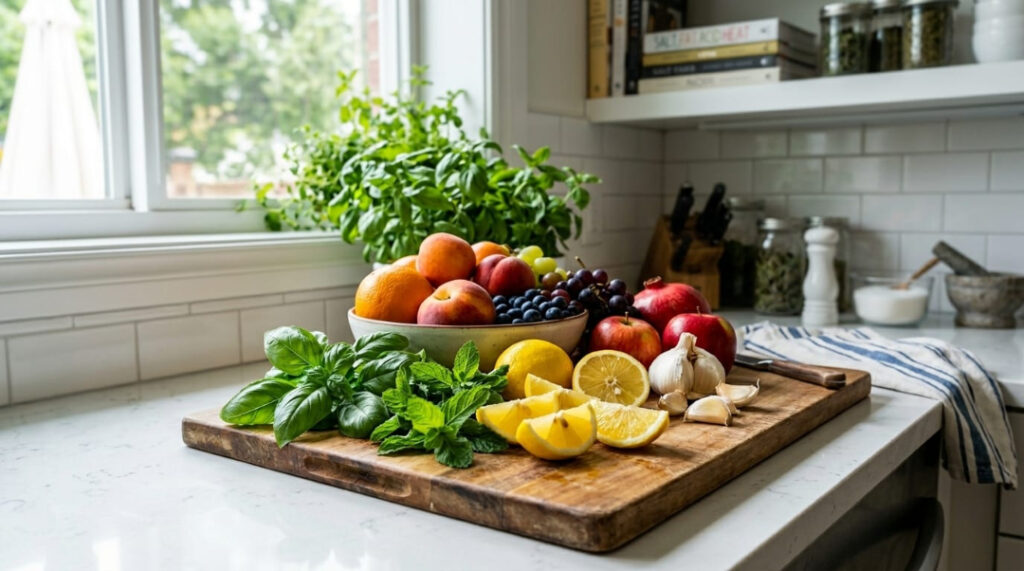
Cut back on added sugar and excess salt to protect your heart, keep energy steady, and support better focus. Choose fresh fruits for natural sweetness and herbs or spices instead of heavy salt. Small swaps make big differences in taste and health over time.
How much is too much?
Here is a detail for you explaining how much sugar should you consume everyday.
Each day, adults should not have more than
Added sugar: 25 grams (about 6 teaspoons) for women, 36 grams (about 9 teaspoons) for men
Salt: 2,300 mg (about 1 teaspoon)
Children should not have more than
Added sugar: 25 grams (about 6 teaspoons) per day
Salt: 1,500-2,300 mg (less than 1 teaspoon) per day, depending on age
Sugar is Not So Sweet
Sugar tastes good at first, but too much added sugar hides in drinks, snacks, and even sauces. It can cause quick energy spikes followed by crashes, extra weight gain, and trouble focusing. Natural sugars in whole fruits come with fiber that slows absorption, but processed sugar offers no real benefits. Cutting back slowly helps your taste buds adjust to real flavors, keeping energy steady and your body healthier in the long run.
Sugar Has Many Names
Added sugar hides under dozens of different names on ingredient lists. Spotting them helps you avoid extra sugar easily. Here are common ones to watch for:
High-fructose corn syrup
Dextrose
Maltose
Sucrose
Glucose
Fructose
Maltodextrin
Cane sugar
Brown sugar
Coconut sugar
Agave nectar
Barley malt
Corn sweetener
Invert sugar
Rice syrup
Molasses
Honey (when added in processed foods)
Maple syrup (added)
Evaporated cane juice
Check labels carefully. If any of these appear high on the list, the product likely has a lot of added sugar. Choosing whole foods keeps it simple and low in hidden sugars.
Say No to Sugary Drinks
Sugary drinks like soda, energy drinks, sweetened juices, and flavored milk pack in tons of added sugar with zero real nutrition. They spike blood sugar fast, then cause crashes that leave you tired and hungry. Swap them for plain water, infused water with lemon or cucumber, unsweetened tea, or sparkling water. Your body thanks you with steady energy, better focus, and less risk of weight gain over time.
Adios, Salt!
Excess salt raises blood pressure, strains your heart, and causes bloating over time. Ditch the shaker and flavor with fresh herbs, garlic, lemon, spices, or vinegar instead. Your taste buds adjust quickly to less salt, making real food flavors pop brighter and keeping your body lighter and healthier every day.
The More Salt We Eat, the More Salt We Want.
Your taste buds adapt quickly to high salt levels, so food starts tasting bland without it. The more salty snacks and meals you eat, the more you crave salt to feel satisfied. This cycle makes cutting back feel hard at first, but after a week or two of lower salt, real flavors shine brighter and cravings fade naturally.
Shake off the salt
Here are easy ways to cut salt without missing the flavor:
Use fresh herbs like mint, cilantro, or basil to add bright taste.
Squeeze lemon or lime juice over meals for zing and freshness.
Sprinkle spices such as cumin, paprika, garlic powder, or chili flakes.
Add a dash of vinegar or mustard for tangy depth.
Roast or grill veggies to bring out their natural sweetness.
Taste before salting – most foods already have enough.
Your palate adjusts in days, and food starts tasting richer naturally.
Low Sodium Swaps
Here are simple, tasty ways to cut back on sodium without losing flavor. Choose these lower-sodium options instead of the usual high-salt ones.
Choose fresh herbs like basil, mint, cilantro, or parsley to season food brightly. Do not choose the salt shaker as your first go-to.
Choose garlic, onion powder, ginger, or fresh minced garlic for bold taste. Do not choose pre-made seasoning blends heavy with salt.
Choose lemon juice, lime zest, or vinegar to add tang and freshness. Do not choose soy sauce, teriyaki, or fish sauce straight from the bottle.
Choose unsalted nuts, seeds, or plain popcorn for snacks. Do not choose salted nuts, chips, or pretzels.
Choose low-sodium or no-salt-added canned beans, tomatoes, or broth. Do not choose regular canned versions packed with added salt.
Choose fresh or frozen vegetables without sauces. Do not choose canned or frozen veggies with added salt or buttery coatings.
Choose homemade dressings with olive oil, herbs, and lemon. Do not choose store-bought salad dressings or marinades loaded with sodium.
Choose spices like cumin, paprika, turmeric, black pepper, or chili flakes for warmth and depth. Do not choose salty spice mixes or bouillon cubes.
These swaps help your taste buds adjust quickly. After a short time, food tastes richer and more natural without extra salt, keeping your meals lighter and heart-friendlier.
Hold It!
Watch out for these items with high sodium. Skip them, or look for low-sodium versions:
Soy sauce
Flavor packets (like in instant soup)
Salad dressings
Ketchup
Barbeque sauce
Pickles
Olives
Sauces and gravies
Did You Know?
For the average person, eating less salt can reduce the risk of high blood pressure. That may reduce the risk of:
Heart Disease
Stroke
Congestive heart failure
Kidney damage
Eating foods high in potassium such as dark leafy greens may help lower blood pressure.